What You’ll Need
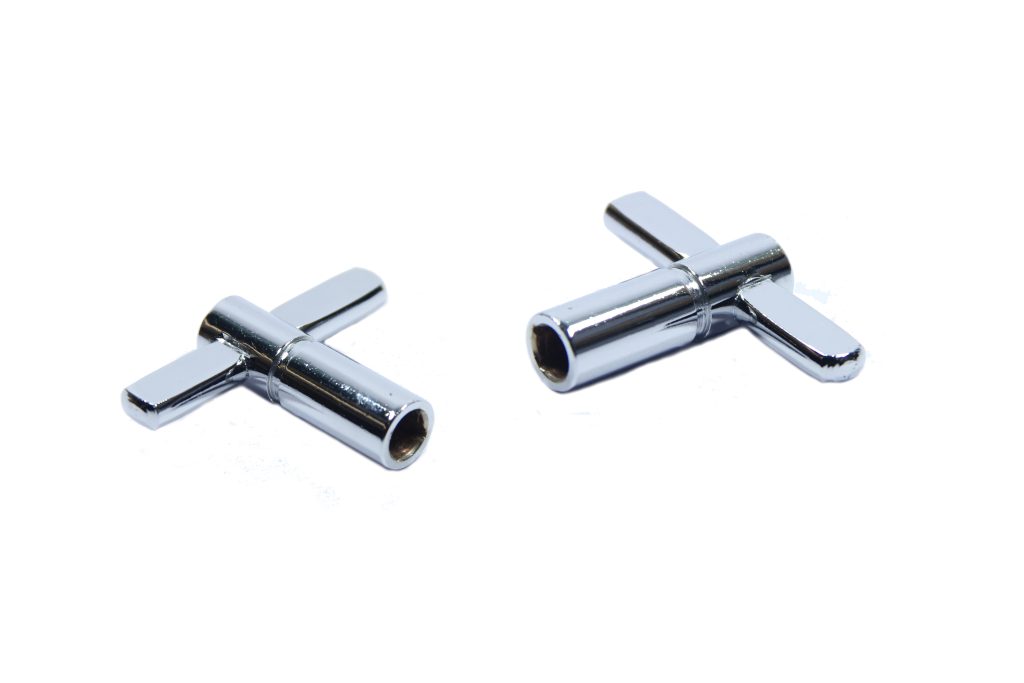
Drum Key
- The first thing you’ll need is a drum key.
- It’s a small tool used to tighten or loosen the tension rods on your drums.
- Tightening the rods makes the drum sound higher.
- Loosening the rods makes it sound lower.
- Drum keys also work on other parts of your drum kit, like the hi-hat stand or kick pedal.
Drumsticks
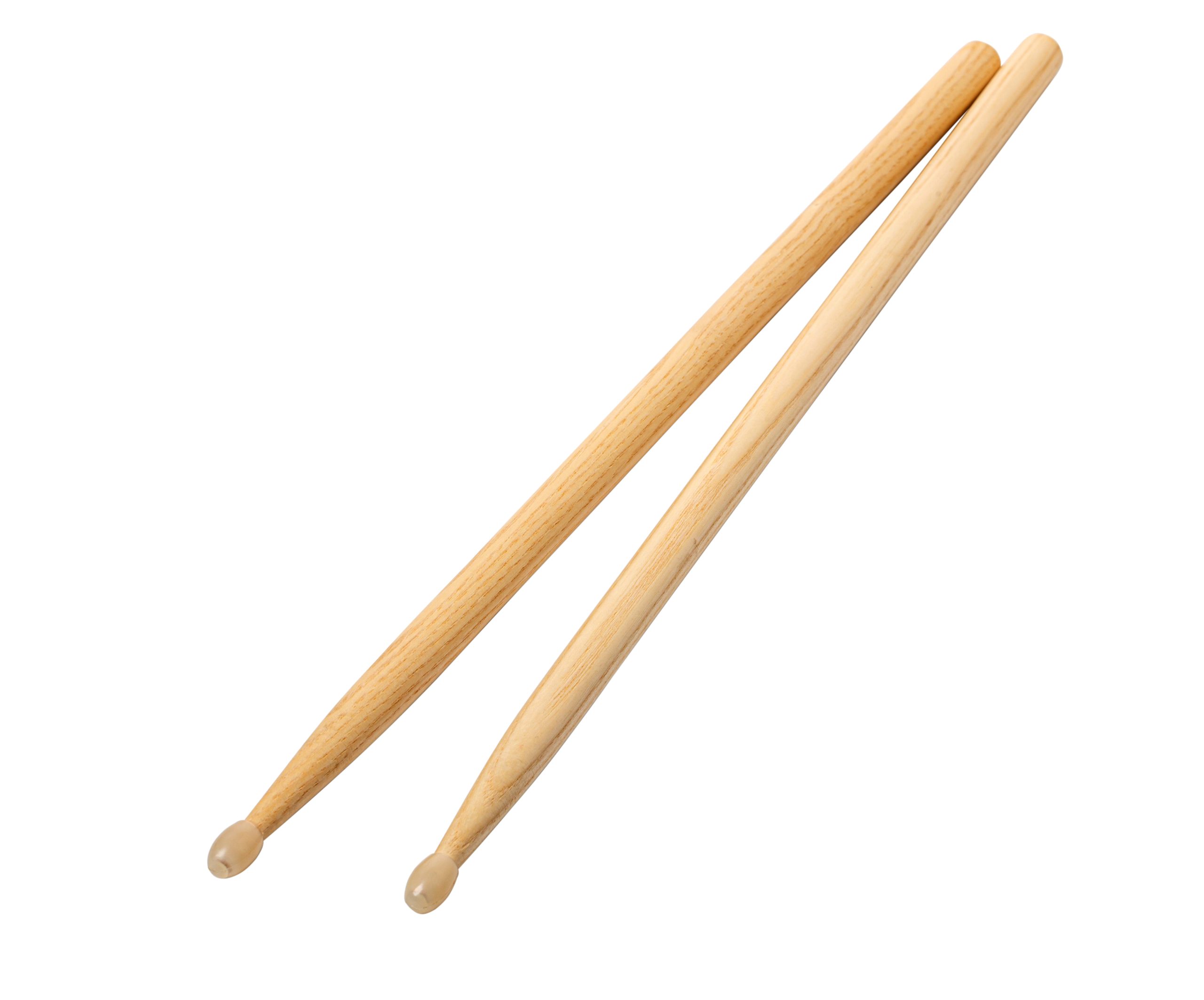
- You’ll need drumsticks to tap the drumhead as you tune.
- This helps you hear the pitch and make sure it sounds right
Parts Of A Drum
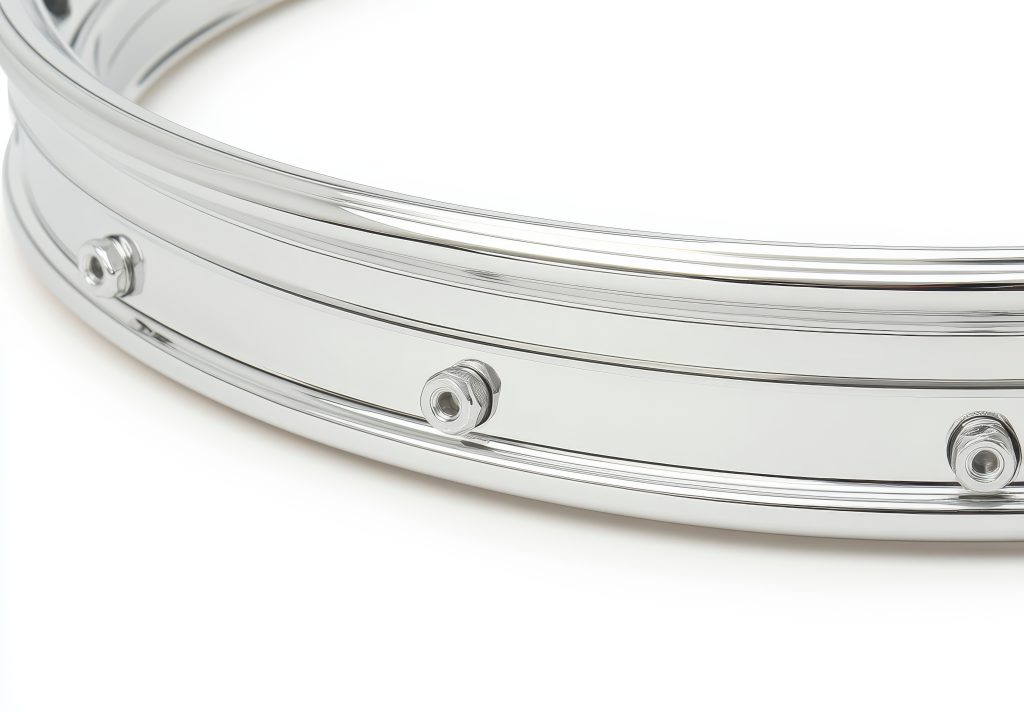
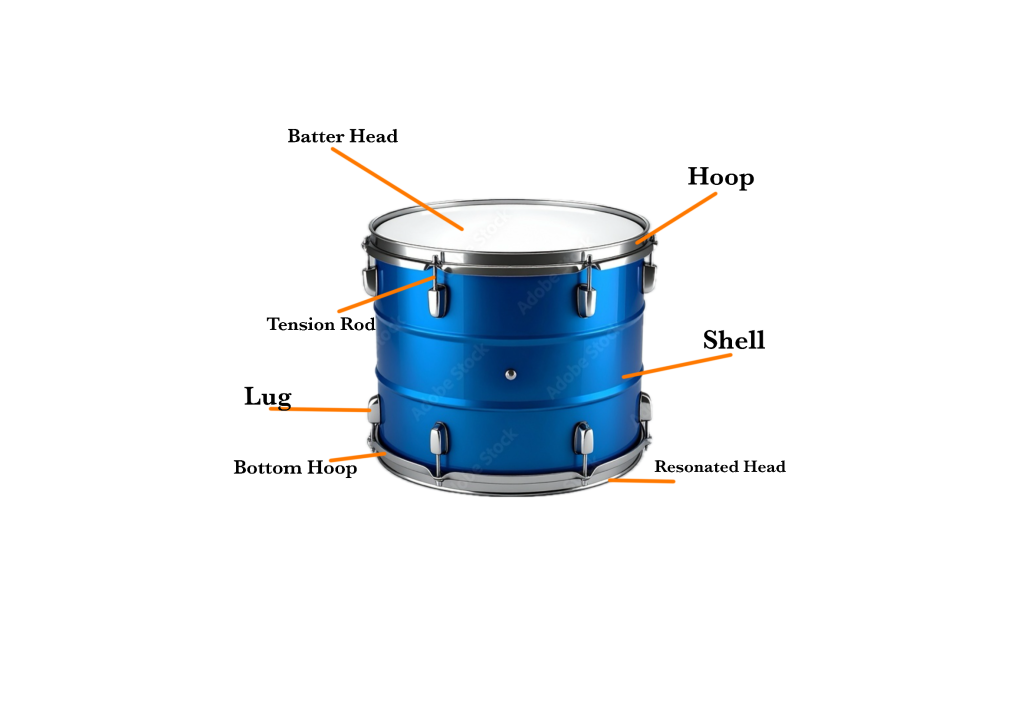
Drum Hoops
- What it is: A round piece of metal (or sometimes wood) that holds the drum head onto the drum.
- Where it is: One on the top and one on the bottom of the drum.
- What it does: Keeps the drum head in place and helps tune the drum.
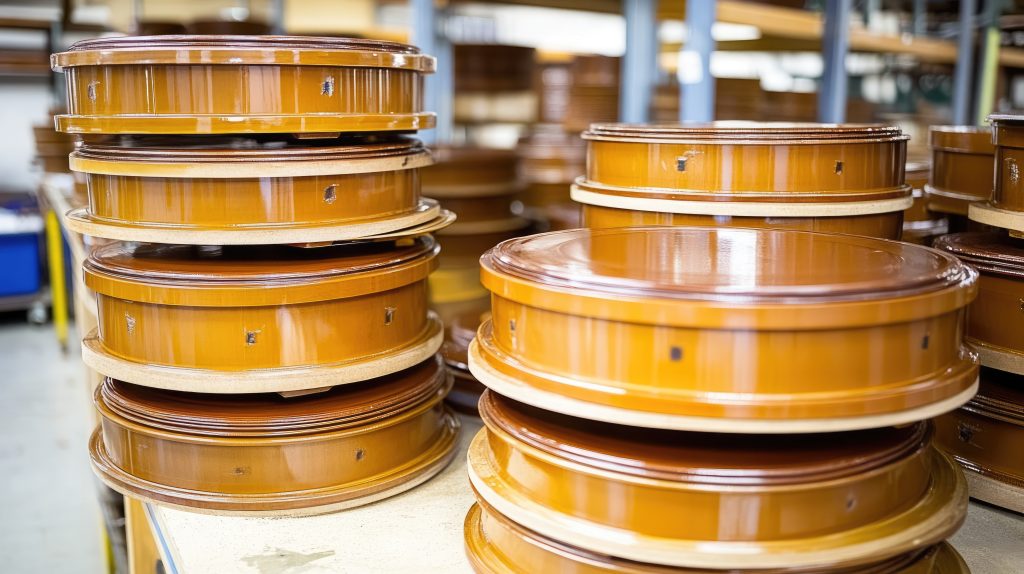
Drum Shell
- What it is: The round wooden (or metal) body of the drum.
- What it’s made of: Woods like maple, birch, or mahogany—or metal for snare drums.
- What it does: Shapes the tone and sound of the drum. Different materials = different sounds
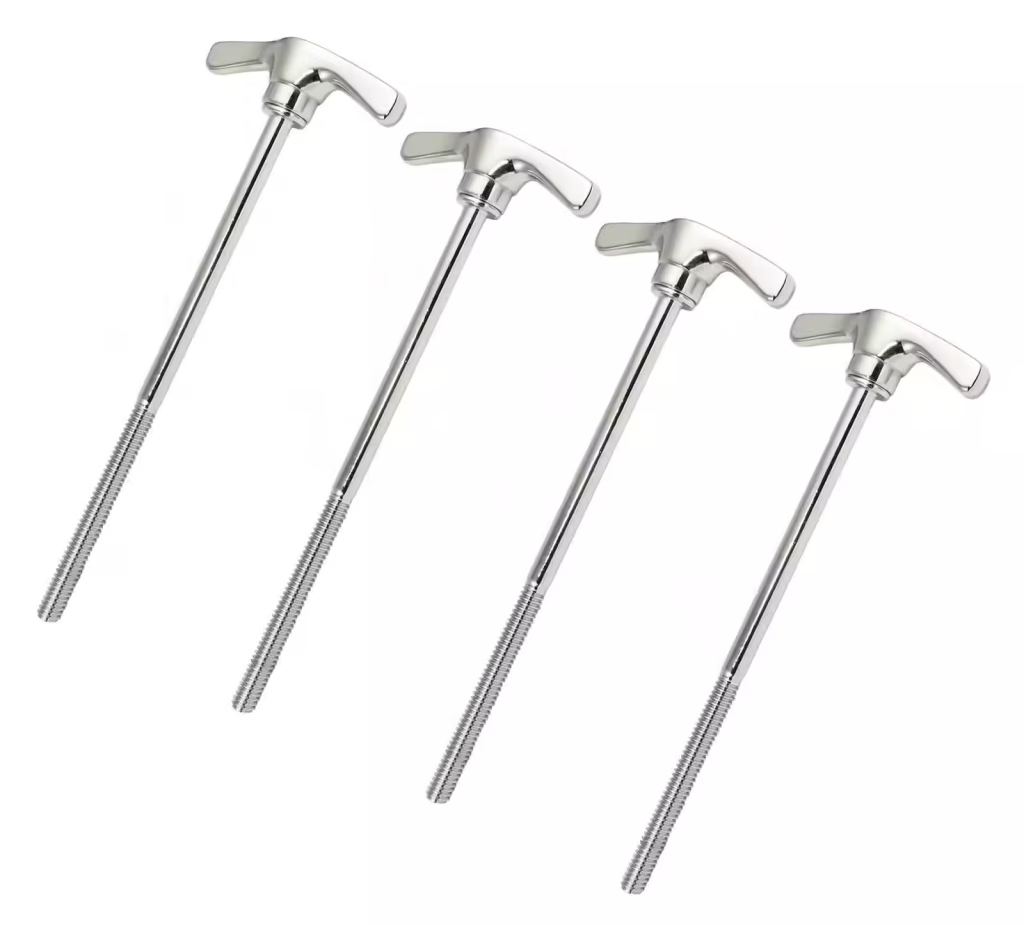
Tension Rods
- What they are: Metal rods that go through the hoops into the drum lugs.
- What they do: Tighten or loosen the drum head to tune the drum. More tension = higher pitch.
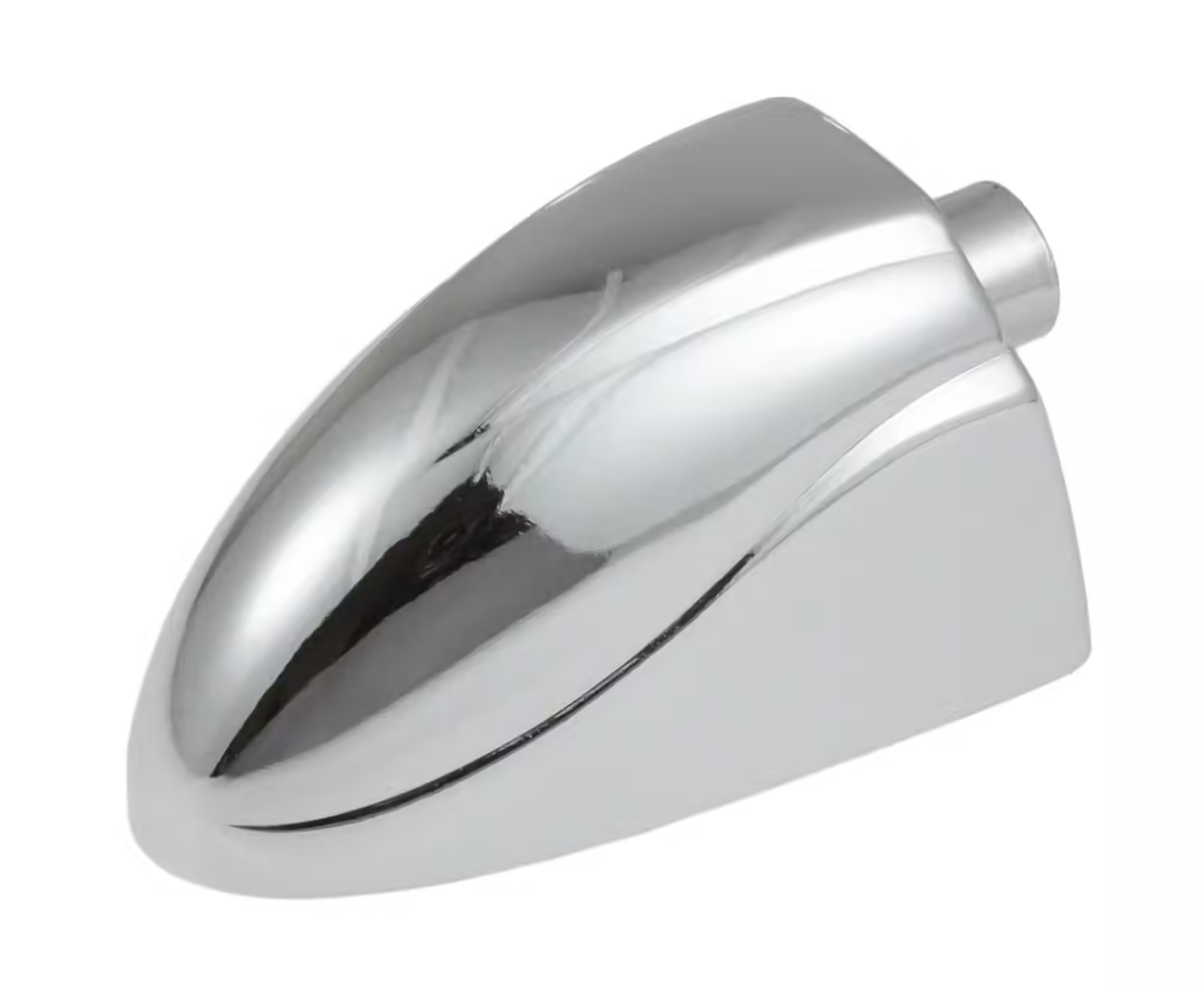
Drum Lugs
- What they are: Small metal pieces attached to the shell.
- What they do: Hold the threaded end of the tension rods. Help maintain even tuning.
- Fun Fact: More lugs (8–10) usually mean more tuning control.
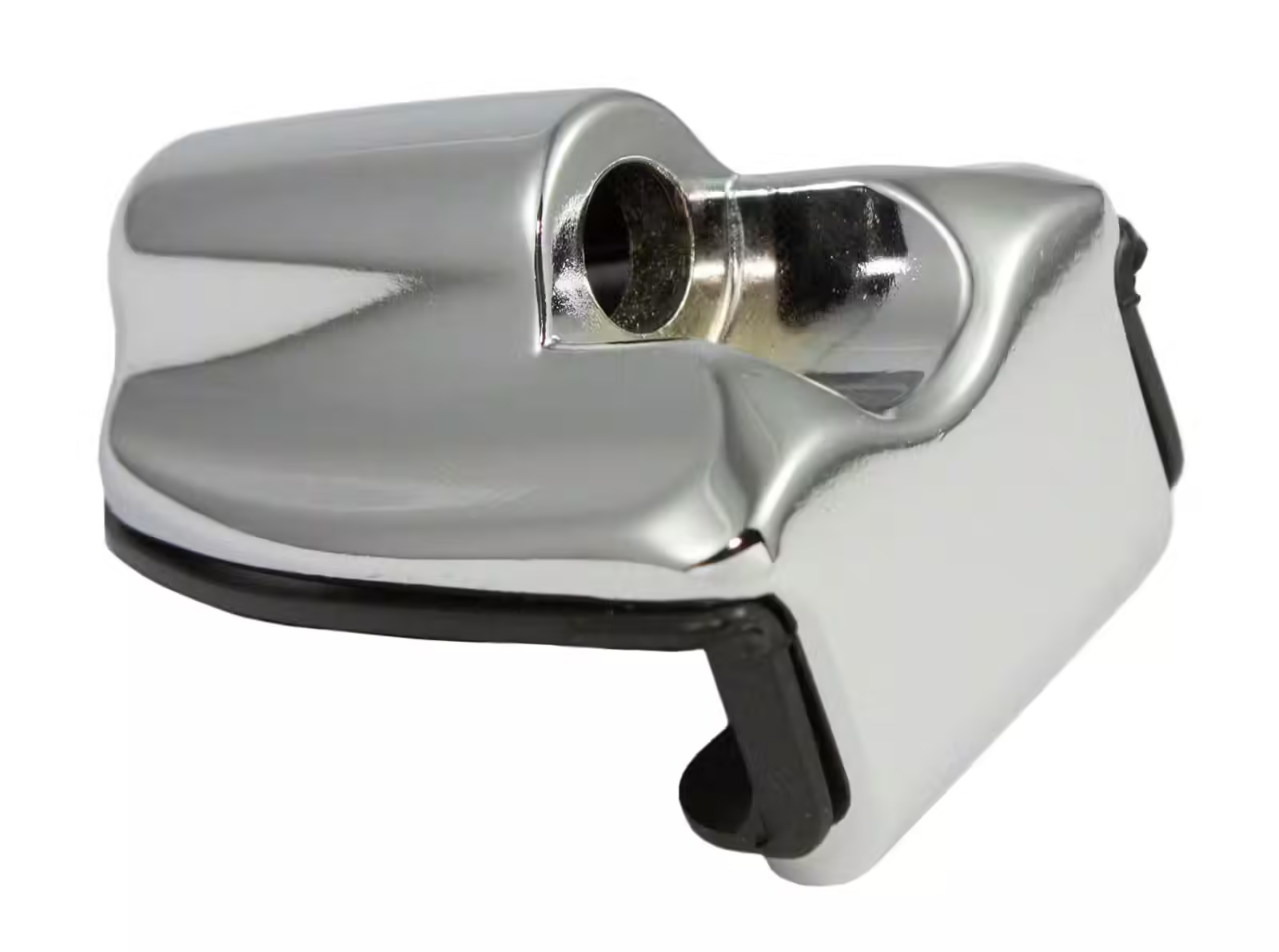
Drum Claws (on Bass Drums)
- What they are: Metal pieces that fit over the hoops.
- What they do: Help secure the hoop to the drum shell, especially on bass drums
Top Drum Head (Batter Head)
- What it is: The head on the top of the drum—the one you strike.
- What it does: Affects the attack (initial hit sound) and controls unwanted ringing.
- Types: Single-ply (bright/loud), double-ply (darker/stronger), coated or clear.
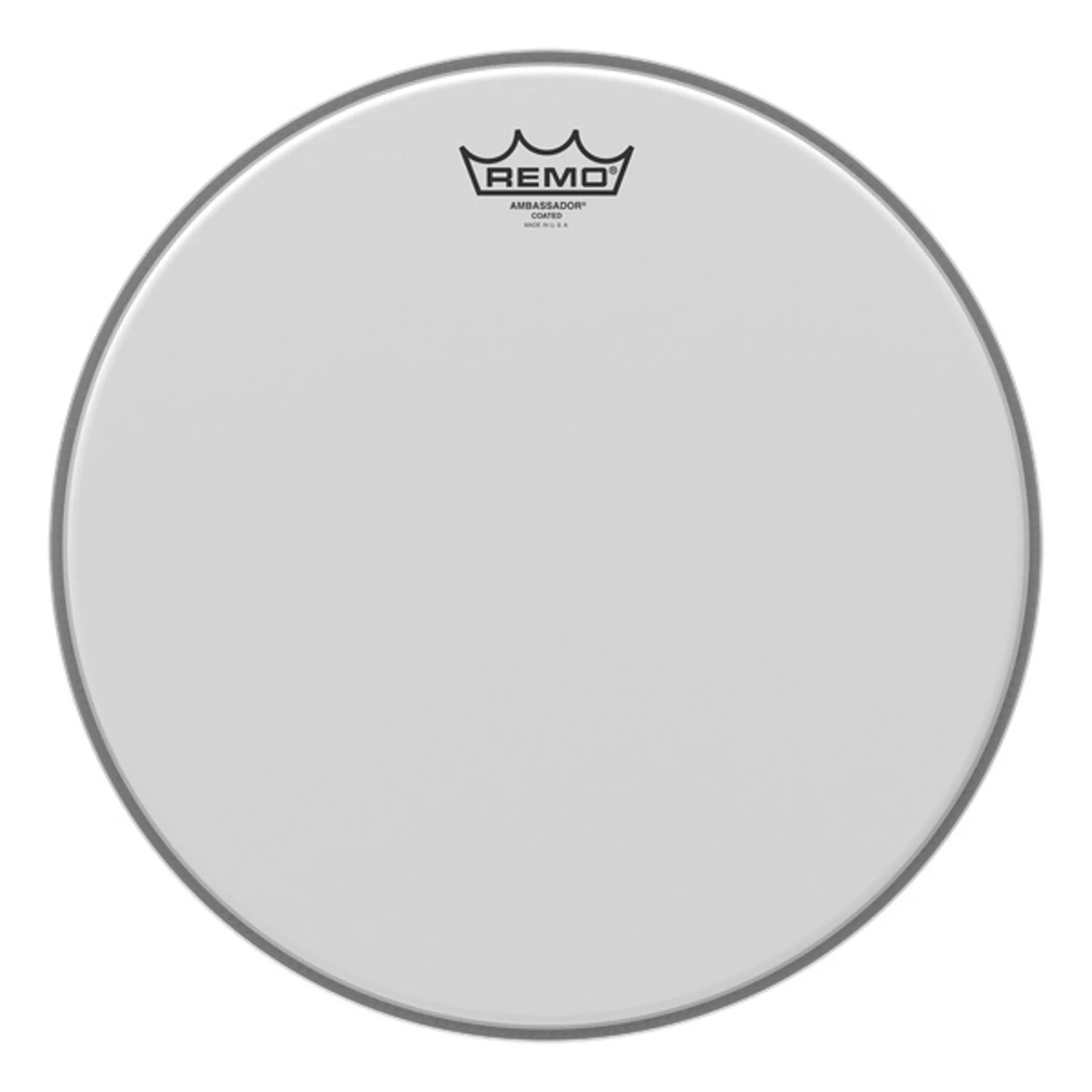
Bottom Drum Head (Resonant Head)
- What it is: The drum head on the bottom of the drum.
- What it does: Shapes the sound and overtones (resonance). Not hit directly, but still very important.
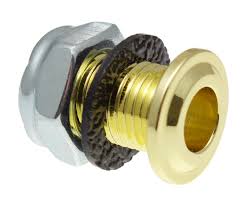
Vents
- What they are: Small air holes in the drum shell.
- What they do: Let air escape so the drum can “breathe” when hit. Improves sound and feel.
Changing And Tuning Drum Heads
1. Decide: New Or Old Head
- If your drum sounds dull, hard to tune, or has visible wear (dents, stretched areas), it’s probably time to replace the drum head.
- Batter heads (top) wear out faster than resonant heads (bottom).
- Change schedule (general rule):
- Snare batter head: Every 3–6 months
- Tom/kick batter heads: Every 6–12 months
- Resonant heads: Every 1–2 years
2. How To Change A Drum Head
- Loosen the tension rods evenly in a star/diagonal pattern.
- Remove the hoop and take off the old head.
- Clean the bearing edge (top edge of the shell) with a cloth.
- Place the new head on the drum and spin it to ensure it’s centered.
- Put the hoop back on the head.
- Insert and finger-tighten the tension rods evenly.
3. Stretch And Seat The Head
- Press down firmly but gently with your palms on the center of the head.
- You may hear crackling—that’s normal (it’s the glue stretching).
- This helps the head settle and stay in tune.
4. Tune The Drum Using A Drum Key
- Use a diagonal/star pattern to tighten each rod gradually.
- Turn each tension rod half a turn at a time.
- Tap near each rod (1–2 inches from the edge) and listen for equal pitch around the drum.
- Remove wrinkles as you go.
5. Tune The Bottom
- Repeat the tuning process on the bottom head.
- Tighten evenly until it’s smooth with no wrinkles and sounds even.
6. Tune The Top
- Same steps as the bottom: even tension, no wrinkles, consistent pitch all around.
- Tune it to about the same pitch as the resonant head
7. Fine Tune Your Drums
- Mute one head (e.g., with your hand) and strike the other in the center.
- Adjust to get a clear, full tone.
- Play the drum with both heads open. It should sound balanced and resonant.
8. Drum-To-Drum Tuning (Toms)
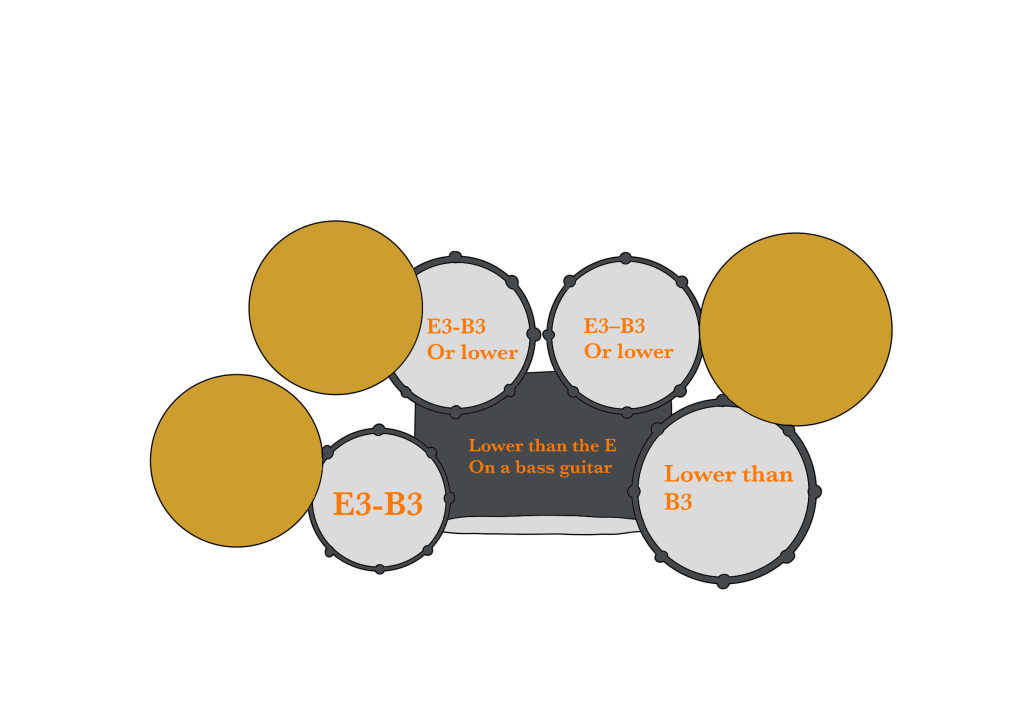
- Most drummers don’t tune to exact musical notes, but keep relative intervals.
- Toms are often tuned a fourth apart (like the first two notes of “Here Comes the Bride”).
- More toms = smaller intervals to avoid awkward tuning ranges.
Video by Drumeo on how to tune your drum kit
https://www.drumeo.com/?srsltid=AfmBOormLYie2QjP8POKXiqS9QPurNYexS3L2-ebxM_J3WmFlL2aQNT1