Drum rack vs. stands: Which should you choose?
For Hobby or Beginner Drummers
- Stands offer more flexibility and are ideal if you like to experiment with your setup
Studio/Session Drummers
- Stands provide the adaptability needed for changing musical tasks and setups
Permanent Show Drummers
- Racks are often more practical for consistent setups and quick changes—especially if you have a drum tech.
- Visual and technical show requirements may also influence your choice
Large Drum Sets
- Racks shine with complex, component-heavy kits—worth the initial setup time
Electronic Drums
- Compact e-kits require specialized lightweight racks.
- Full-size e-kits follow the same rack vs. stand considerations as acoustic kits
Stationary Drum Sets
- Choose based on personal preference—mobility isn’t a factor.
Transport Considerations
- Small Vehicles: Go with stands—racks lose their advantage when they must be disassembled.
- Sprinter Vans: Racks can stay assembled, saving time. Secure and protect them properly during transport.
- Touring: Racks in flight cases are ideal if space and loading capabilities (e.g., ramps, trucks) are available.

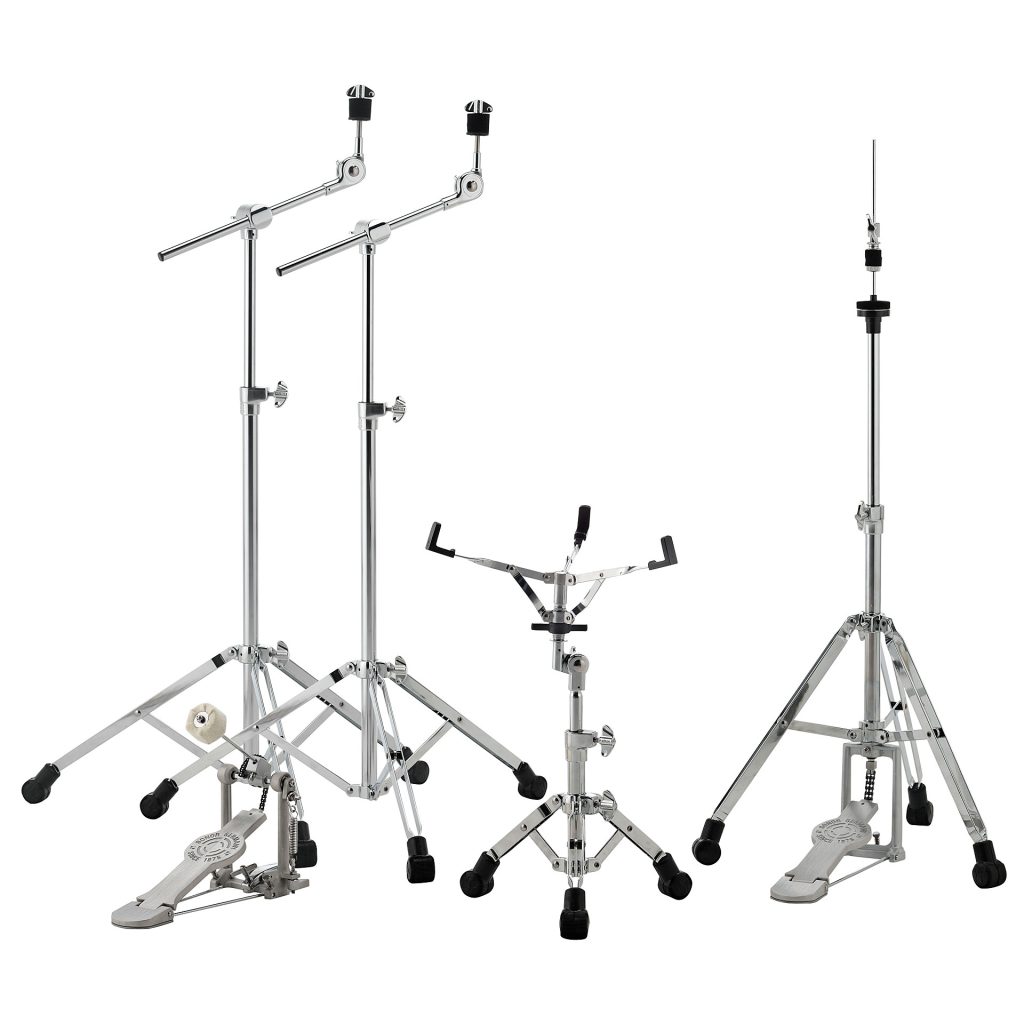
Cymbal stands
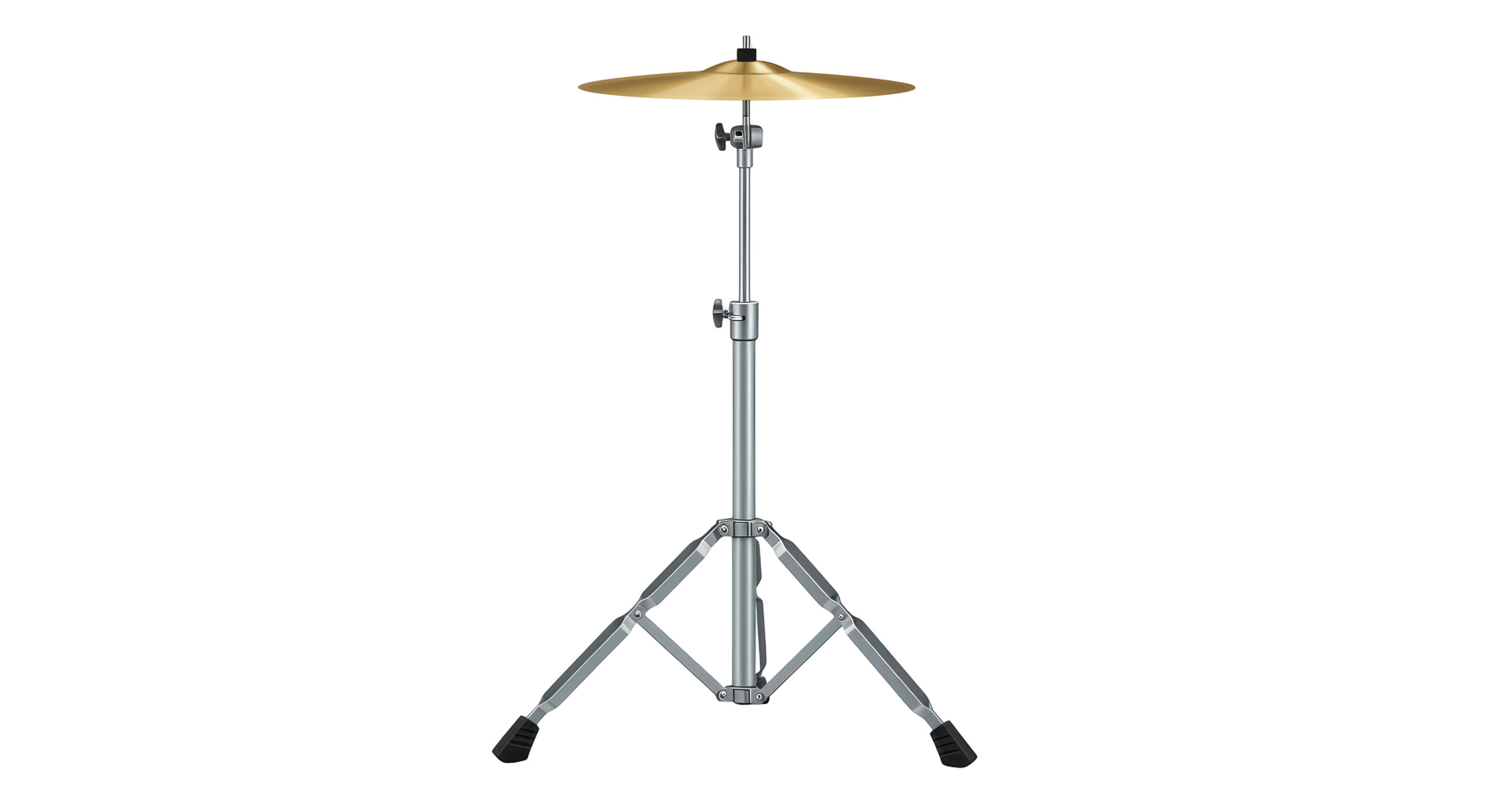
Straight Stand
- What it is: A basic stand that goes straight up and down.
- Best for: Simple setups and small spaces.
- Good to know: Lightweight and easy to move.
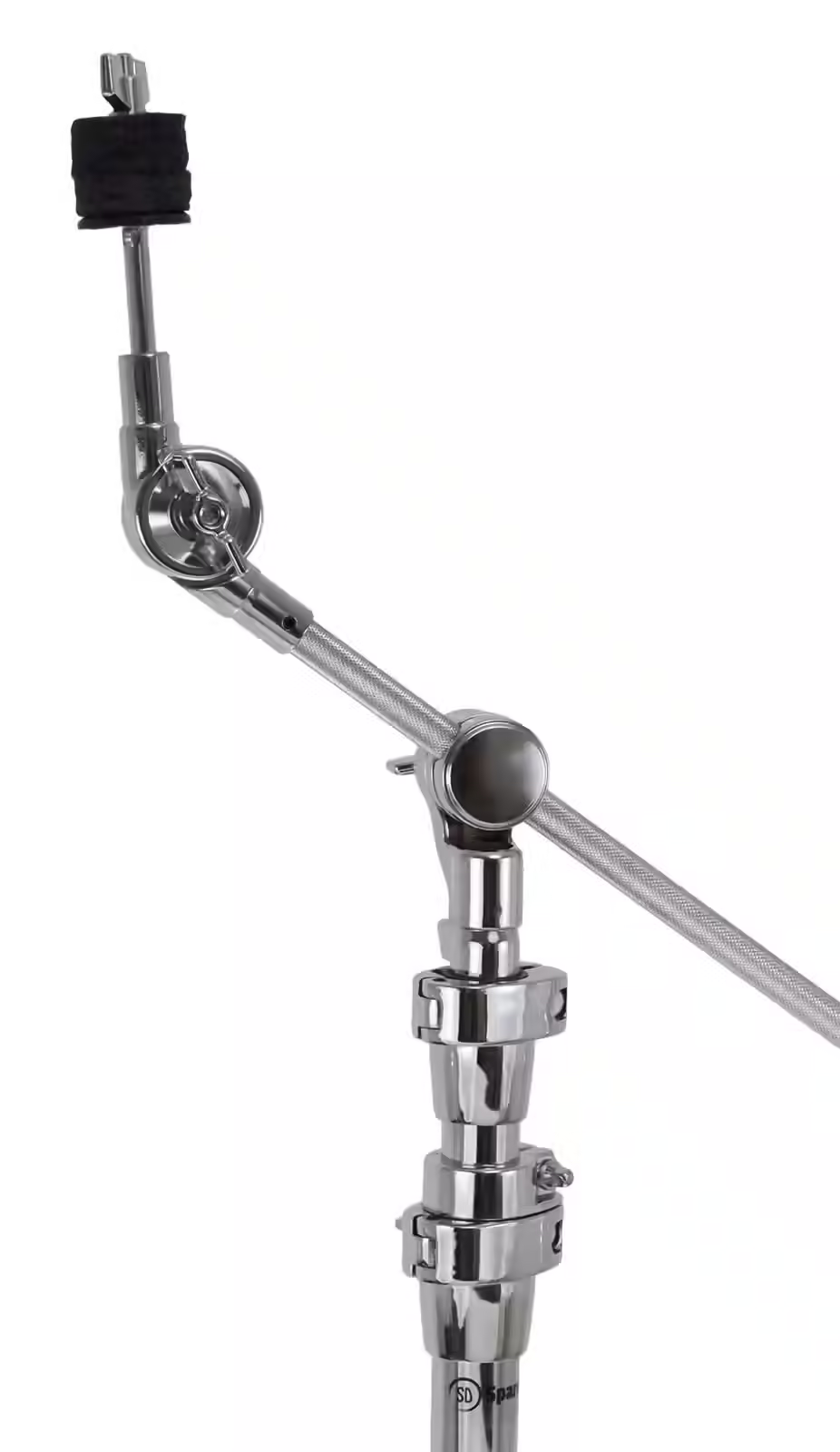
Boom Stand
- What it is: Like a straight stand, but with an adjustable arm (“boom”) that lets you place the cymbal exactly where you want it.
- Best for: More flexible setups or when space is tight.
- Good to know: Very popular for crash and ride cymbals.
Convertible Boom Stand
- What it is: Can switch between straight and boom modes.
- Best for: Versatile setups.
- Good to know: Great if you’re still figuring out what you like
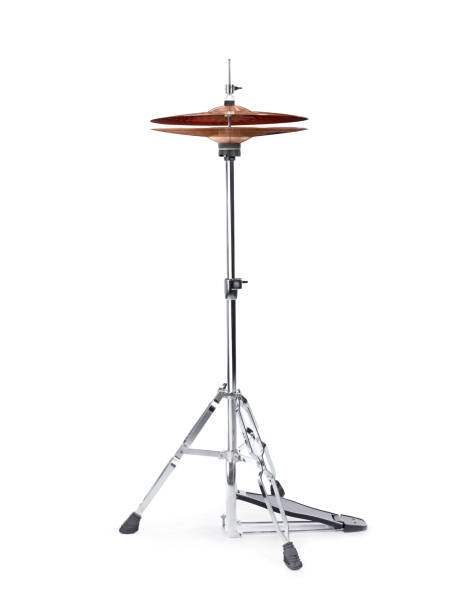
Hi-Hat Stand
- Designed specifically for hi-hats, with a foot pedal to control opening/closing.
- Available in 2-leg or 3-leg designs (2-leg works better with double pedals).
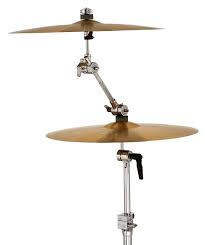
Stacker Stands & Accessories
- Allow mounting multiple cymbals on one stand.
- Ideal for compact setups or effects cymbals (splashes, bells, etc.).
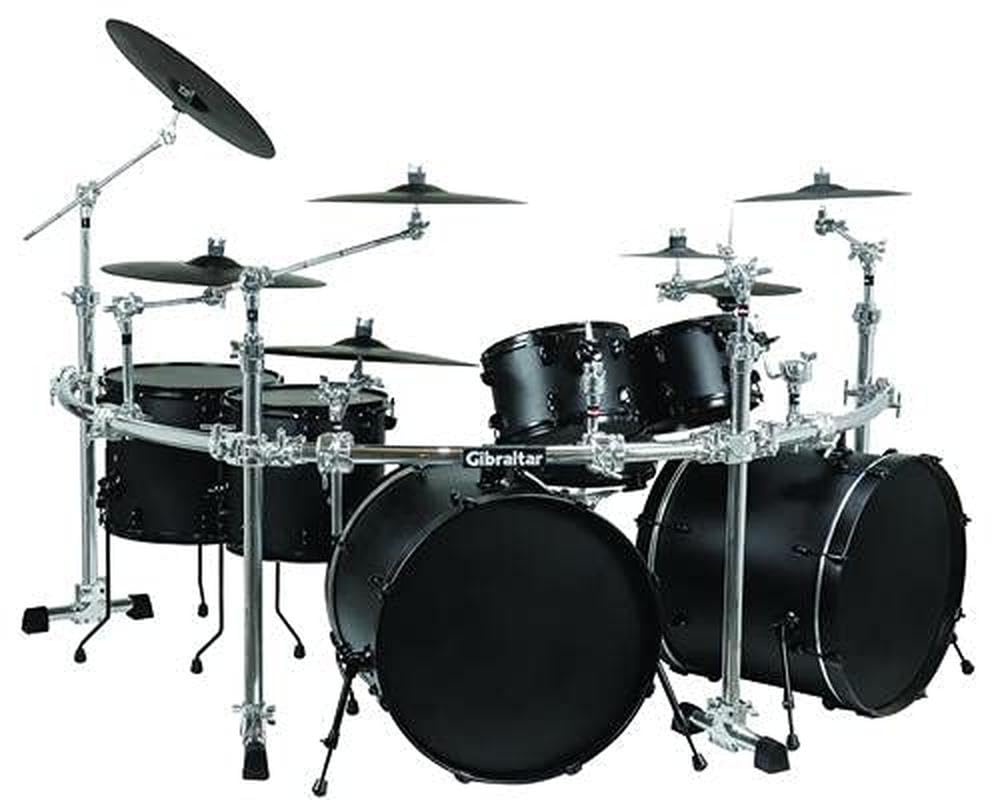
When to Use a Rack Instead
- If you use many cymbals or want to reduce floor clutter, consider using a drum rack with cymbal arms instead of multiple stands
CYMBALS
| Cymbals | Size (inches) | Use | Sound |
| Hi-Hats | 13″-15″ (pair) | Keep time, grooves | Crisp “chick” or sizzle |
| Crash | 14″-18″ | Accents, punches | Loud, explosive |
| Ride | 20″-22″ | Timekeeping, grooves | Sustained, pingy |
| Splash | 6″-12″ | Quick accents | Short, bright |
| China | 16″+ | Trashy accents | Loud, raw, for effect |
Tips for Beginners:
- Don’t overbuy — start with a hi-hat, crash, and ride.
- Try in person if you can — cymbals vary a lot in sound.
- Used B8/B20 cymbals > New cheap brass.
- Avoid stacking too many cymbals — learn control first.
Snare & Tom Drums: A Beginner’s Guide
If you’re new to drumming, understanding the role of the snare and tom drums will help you get the most out of your drum kit. These drums form the heart of your setup and give your playing its voice and personality.
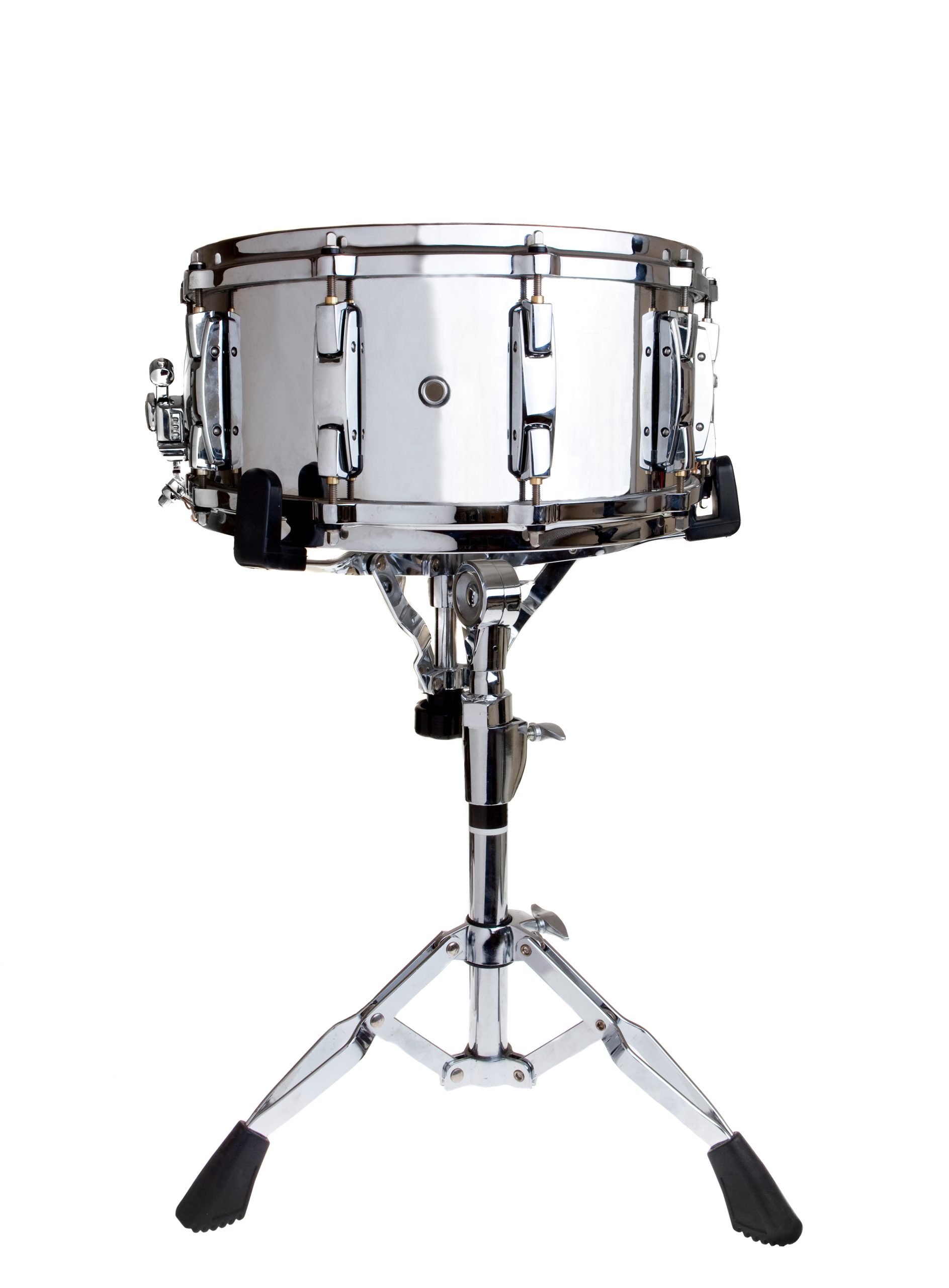
Snare Drum
What It Is:
- The snare drum is the most important and recognizable drum in your kit. It has a sharp, crisp sound and is used in almost every beat you’ll play.
- What Makes It Special:
- It has metal wires (called snares) stretched across the bottom head.
- These wires create that “snap” or “crack” sound when you hit it.
Used For:
- Backbeats (like hitting on 2 and 4 in a rock groove)
- Fills, accents, and even solo work
- Almost every style of music
Beginner Tips:
- Make sure it’s centered between your legs when sitting.
- Keep it tuned so it sounds crisp but not too “ringy.”
- Use proper hand technique to avoid injury and get a consistent sound.
Tom Drums (Toms)
What They Are:
- Tom drums (or just toms) are the round, open drums that add depth and color to your playing. Most beginner kits include 2 or 3 toms.
Types of Toms:
- Rack Toms
- Smaller toms mounted above the bass drum
- Higher-pitched tones
- Usually 10″, 12″, or 13″ in diameter
- Floor Tom
- Larger tom that stands on legs or mounts to a stand
- Deeper, boomier sound
- Typically 14″ to 16″
Used For:
- Drum fills and transitions
- Adding movement and variety to your grooves
- Big, expressive hits in all kinds of music
Beginner Tips:
- Arrange toms in a comfortable arc around you.
- Practice moving between snare and toms smoothly.
- Experiment with tuning to get warm, punchy tones.

Drum Heads
What Are Drum Heads?
Drum heads are the membranes stretched over the top (and sometimes bottom) of a drum shell. They’re what you hit to produce sound.
Batter Head = the top head you hit
Resonant Head = the bottom head (affects tone and sustain)

Coated vs. Clear
- Coated: Has a white, textured surface. Warmer tone. Great for jazz, rock, and brush work.
- Clear: Transparent and smooth. Brighter, punchier sound. Popular for pop, rock, and metal.

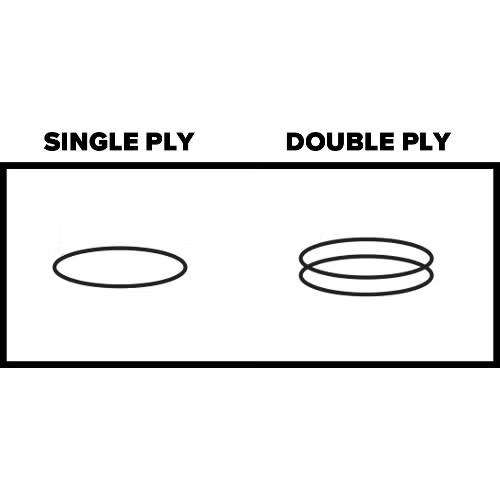
Single-Ply vs. Double-Ply
- Single-Ply: One layer of film (usually 10 mil). More resonance and sensitivity. Good for light playing and articulation.
- Double-Ply: Two layers (usually 2×7 mil or 2×10 mil). More durability, less sustain, and a deeper tone. Better for heavier hitters.
Good Beginner Drum Heads
| Batter Heads | Resonant Head | |
| Snare | Remo Coated Ambassador or Evans G1 | Remo Ambassador Clear |
| Toms | Remo Pinstripe Clear or Evans G2 | Remo Ambassador Clear |
| Bass | Evans EMAD or Remo Powerstroke P3 | Remo Powerstroke 3 or stock head |
Tips for Beginners
1. Change your heads if they’re dented, sound dead, or haven’t been replaced in a long time (especially cheap stock heads).
2. Tune often — drum heads stretch and go out of tune.
3. Experiment with different heads as you learn your sound.
4. Use a drum key to tighten/loosen tension rods evenly.
DRUM HEADS FOR DIFFERENT TYPES OF KITS
| Kit Type | Description | Recommended Heads | Sound Goals |
| Standard 5-piece Rock Kit | Common for beginners: 1 snare, 3 toms, 1 bass | Toms: Evans G2 / Remo Pinstripe Snare: Remo Coated Ambassador Bass: Evans EMAD / Remo Powerstroke P3 | Fat, punchy, with attack and durability |
| Jazz Kit | Smaller drums, lighter playing | Toms: Remo Ambassador Coated Snare: Ambassador Coated Bass: Fiberskyn / Ambassador | Warm, open, resonant, more overtones |
| Fusion Kit | Smaller tom sizes (10″, 12″, 14″) for modern sound | Toms: Evans EC2 / Remo Emperor Clear Snare: Coated Ambassador or G1 Bass: EMAD / Powerstroke | Tight, focused, bright, fast response |
| Metal / Hard Rock Kit | Bigger sizes, more aggressive playing | Toms: Evans G2 / Remo Emperor / Pinstripe Snare: Evans HD Dry / Remo Controlled Sound Bass: EMAD Heavyweight / Powerstroke P4 | Low-end punch, attack, durability |
| Electronic/Hybrid Kit | Acoustic shells with triggers or mesh pads | Toms/Snare: Mesh heads (Evans dB One, Roland Mesh) Bass: Mesh or rubber pad | Quiet practice or MIDI triggering |
| Vintage Kit | Old-school tone, 60s–70s vibes | Toms/Snare: Remo Fiberskyn or Vintage Ambassador Bass: Remo Fiberskyn / Powerstroke | Warm, muted, buttery tone |
| Compact / Cocktail Kit | Portable, for busking or small gigs | Portable, for busking or small gigs | Clear, open tone with minimal hardware |
Choosing the Best Wood for Your Drums
| Wood | Sound | Notes |
| Maple | Warm, balanced, full | Most common; great all-around |
| Birch | Bright, punchy, with attack | Cuts through mixes; popular in studios |
| Mahogany | Warm, deep, vintage vibe | Great for retro or mellow tones |
| Bubinga | Dark, rich, powerful | Often used in high-end kits |
| Poplar | Soft, balanced | Found in budget kits; decent tone |
Drum Thrones
What Is a Drum Throne?
A drum throne is the stool you sit on while playing drums. A good throne:
Supports your posture
Reduces fatigue
Improves balance and footwork on pedals
As a beginner, getting a stable, adjustable, and comfortable throne is more important than it might seem.
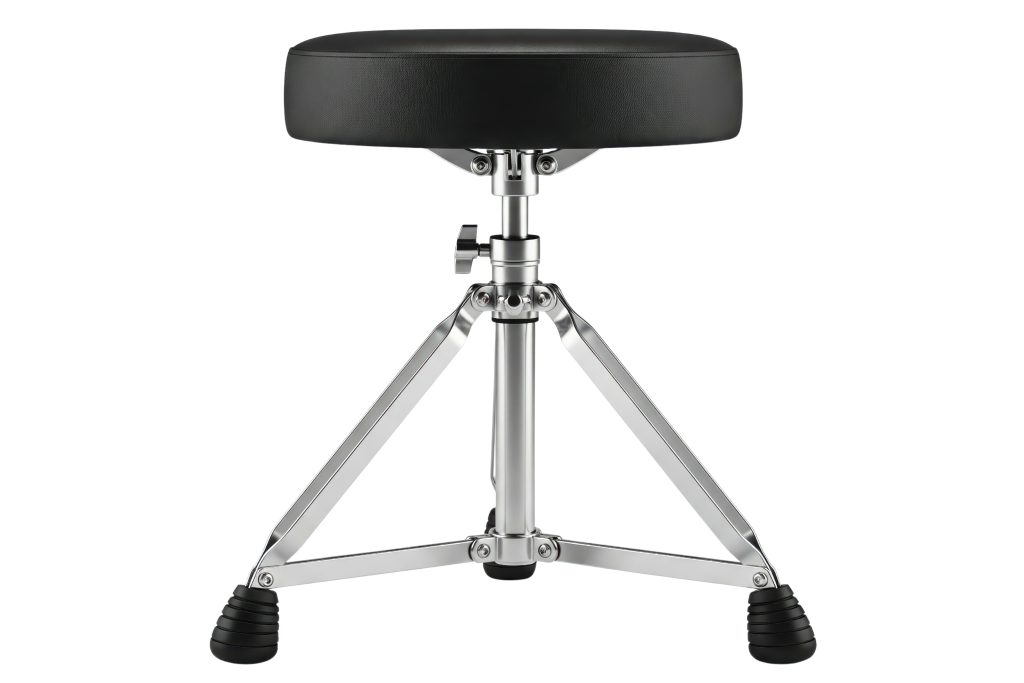
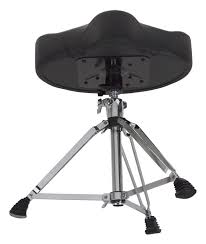
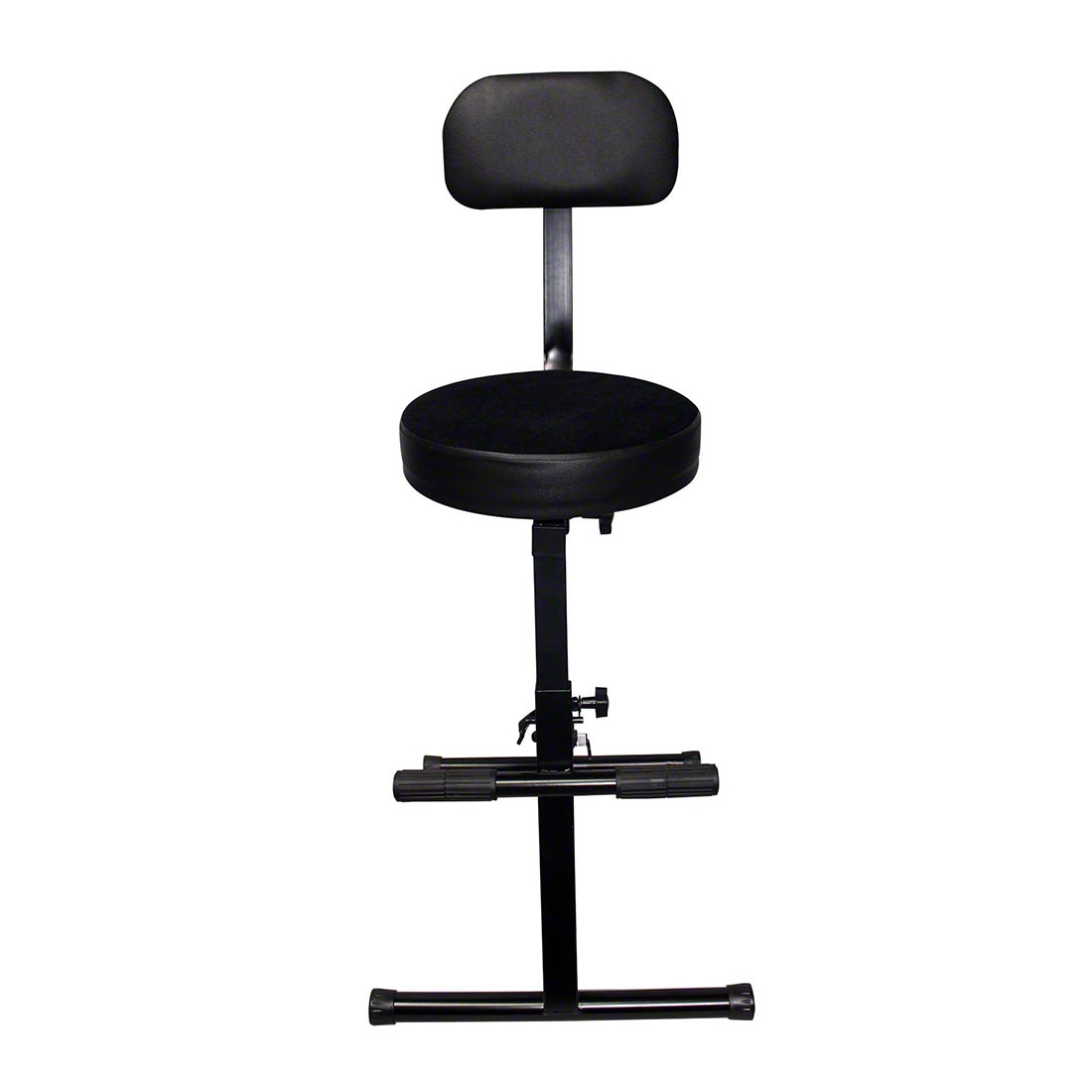
| Type | Description | Best For |
| Round | Traditional, compact | Jazz, small kits, portability |
| Motorcycle (saddle-shaped) | Wider, contoured | Rock, metal, comfort for long sessions |
| Ergonomic/Backrest | With lumbar support | Long practice/gig sessions, back issues |
Beginner Tips
- Sit high enough so your knees are slightly below your hips.
- Keep feet flat on the floor/pedals, heels down (unless playing heel-up technique).
- Make sure your core is engaged, and don’t slouch!
- If your butt hurts after 30 minutes — get a better throne. It’s worth it.
Why It Matters
good throne helps with:
- Speed and control on pedals
- Endurance for longer playing
- Injury prevention, especially for your lower back and hips
- Confidence — your playing literally starts from the seat up
Drum Sticks And Brushes
DRUM STICKS — A Beginner’s Guide
Stick Sizes
| Size | Description | Best For |
| 7A | Thinner, lighter | Jazz, light playing, younger drummers |
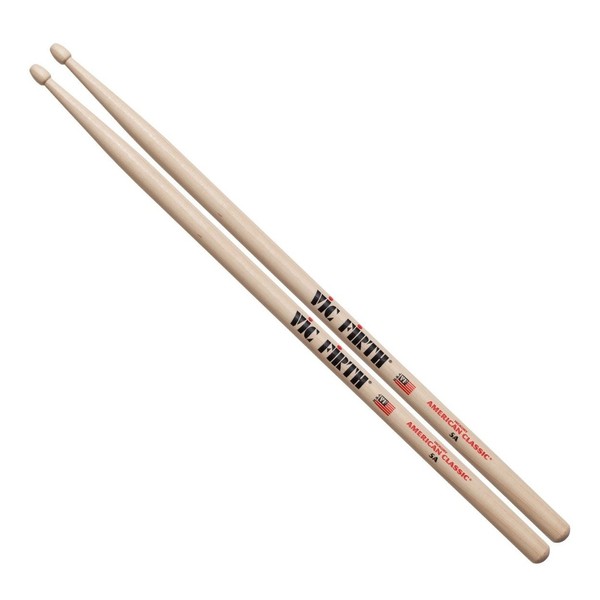
| 5A | Balanced, medium weight | Most popular all-around stick — perfect for beginners |
| 5B | Thicker and heavier | Rock, louder styles, bigger hands |
| 2B | Very thick | Heavy metal, marching band, practice |
Start With:
- 5A size – Perfect balance for beginners
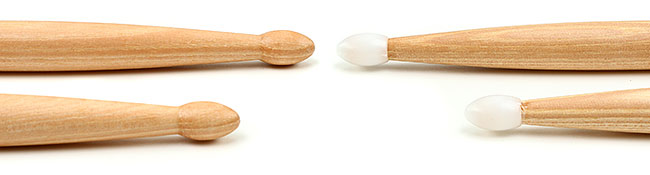
- Material: Hickory (durable, common)
- Tip: Wood (warmer sound) or nylon (brighter cymbals)
Popular Models:
- Vic Firth 5A
- ProMark 5A
- Zildjian 5A Nylon Tip
Tip Shapes
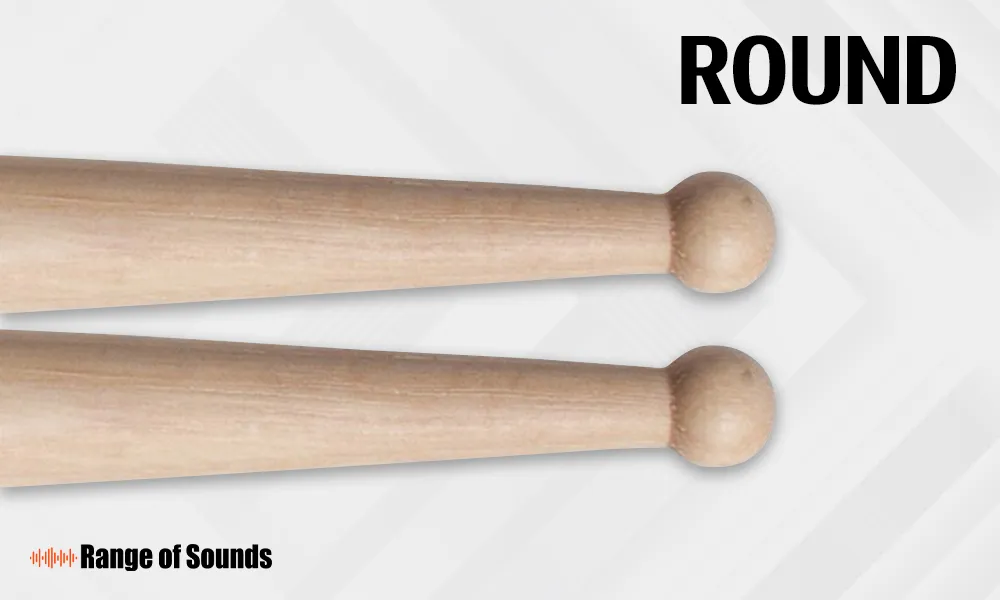
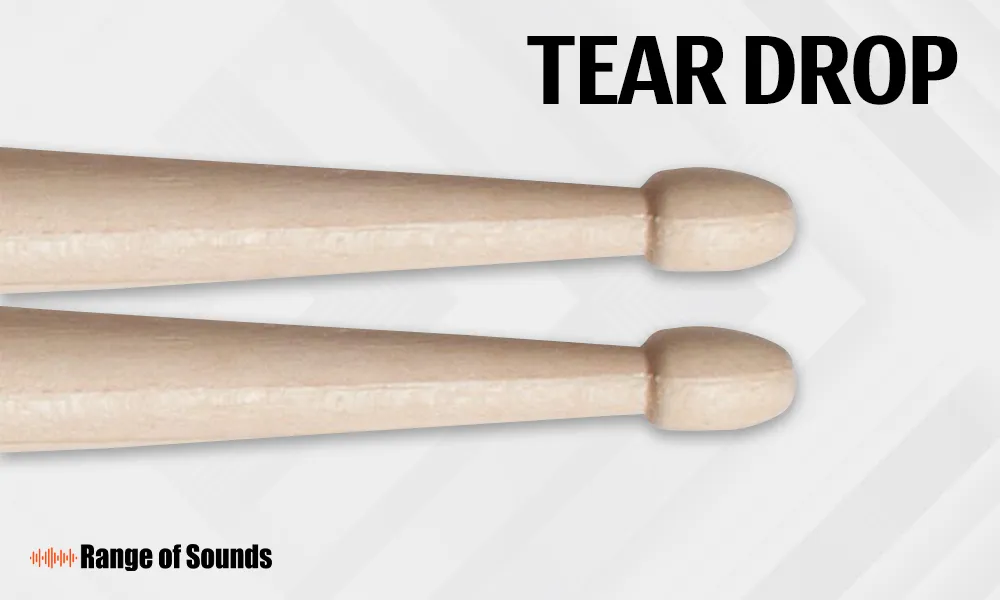
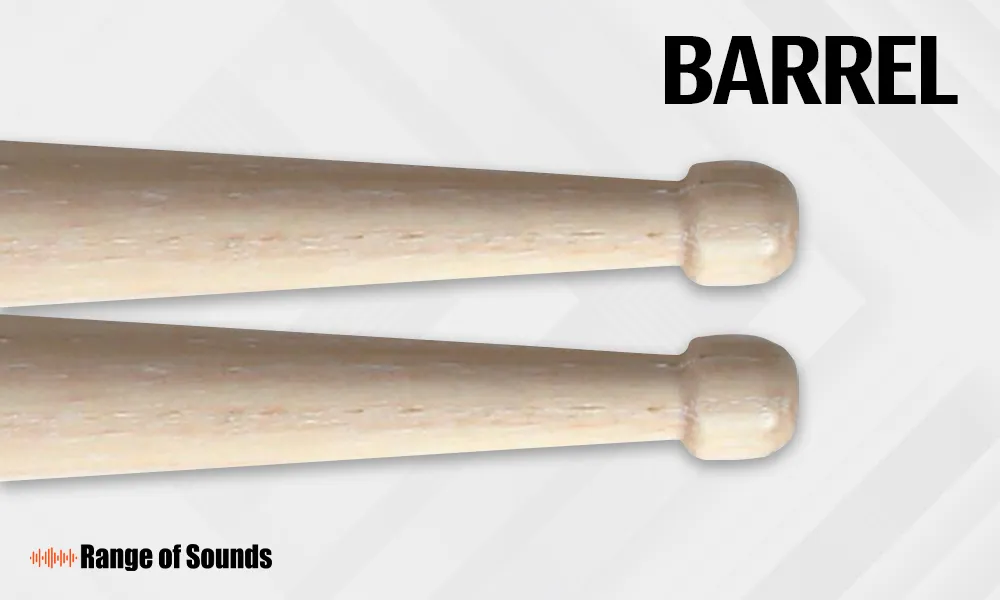
| Tip | Sound | Best For |
| Oval | Warm, full tone | All-around use |
| Round/Ball | Bright, clear | Cymbals, articulation |
| Teardrop | Versatile | Balanced tone |
| Barrel | Loud, focused | Rock/metal |

Nylon tips = brighter cymbal sound, more durable
Wood tips = warmer sound, more natural feel
Brushes
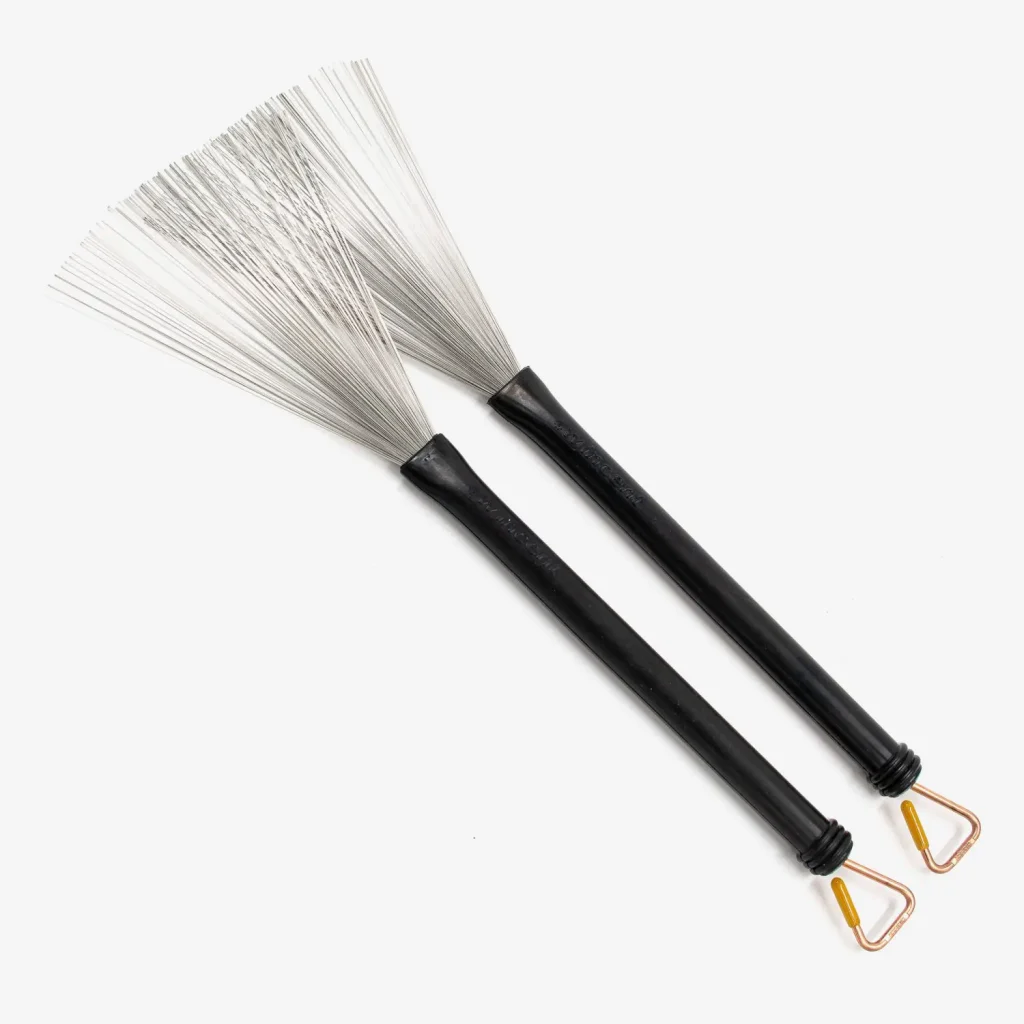
Used for jazz, blues, and quiet playing.
Wire brushes = Traditional swish sound
Nylon brushes = Softer, more durable
Beginner Picks:
Vic Firth Jazz Brush
ProMark B600
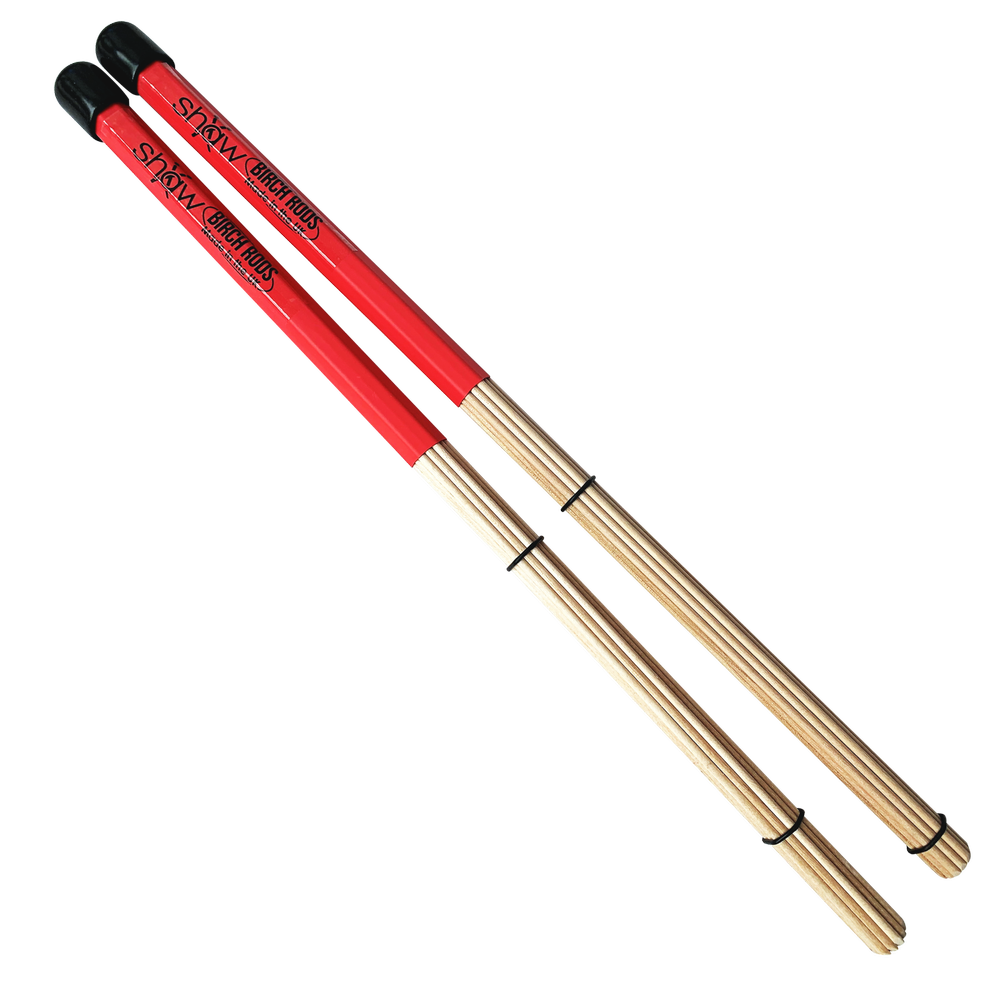
Rods (Hot Rods)
For low-volume, acoustic sets.
Made from bundled wood dowels
Louder than brushes, softer than sticks
Popular:
ProMark Hot Rods
Vic Firth Rute 505