Where To Start
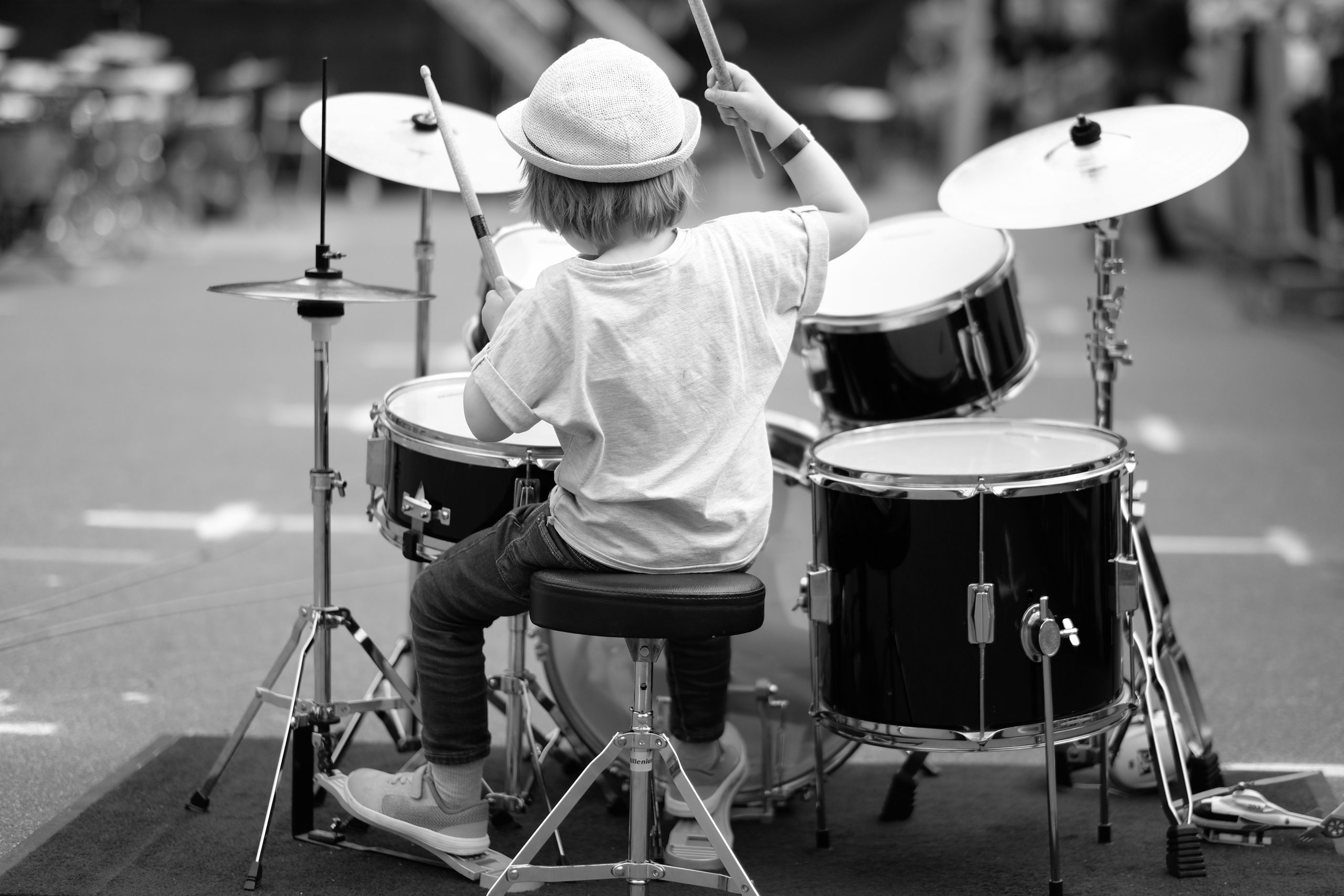
If your child is just starting out on drums and is under the age of 11, a full sized kit may be too large for them to play comfortably. Young beginners often struggle to reach all the parts of an adult kit, especially the kick pedal, toms, and cymbals.
Junior sized drum kits are designed specifically for younger players. These kits feature scaled-down drums and hardware, making them easier for kids to reach and play.
Before making a purchase, ask yourself:
- How old is the drummer?
Younger players (under 11–12 years old) typically need junior-sized kits to reach everything comfortably. - How motivated are they to learn?
A more committed student may benefit from a better-quality beginner kit that can grow with their skills. - Where and when will they practice?
Acoustic kits are loud. Consider space, noise levels, and whether an electronic kit may be a better option for your home. - What’s your budget?
Drum kits range widely in price. Knowing your budget helps narrow down your choices effectively.
Drum Sets For Kids
If your child is just starting out on drums and is under the age of 11, a full sized kit may be too large for them to play comfortably. Young beginners often struggle to reach all the parts of an adult kit, especially the kick pedal, toms, and cymbals.
Junior sized drum kits are designed specifically for younger players. These kits feature scaled-down drums and hardware, making them easier for kids to reach and play.
What to Look For
- Proper Sizing: Always try out the kit before buying to ensure your child can comfortably reach all components.
- Build Quality: Avoid kits from toy stores unless your child is under five. These are often made of plastic and are more like toys than playable instruments.
- Trusted Brands: Most major drum manufacturers offer junior or “pocket” kits that are high in quality and built to last.
Will My Child Outgrow a Junior Kit?
Eventually, yes—but not right away. A well-chosen junior kit can provide several years of use before your child is ready to move up to a full-sized set.
What Should Be In A Beginners Drum Kit
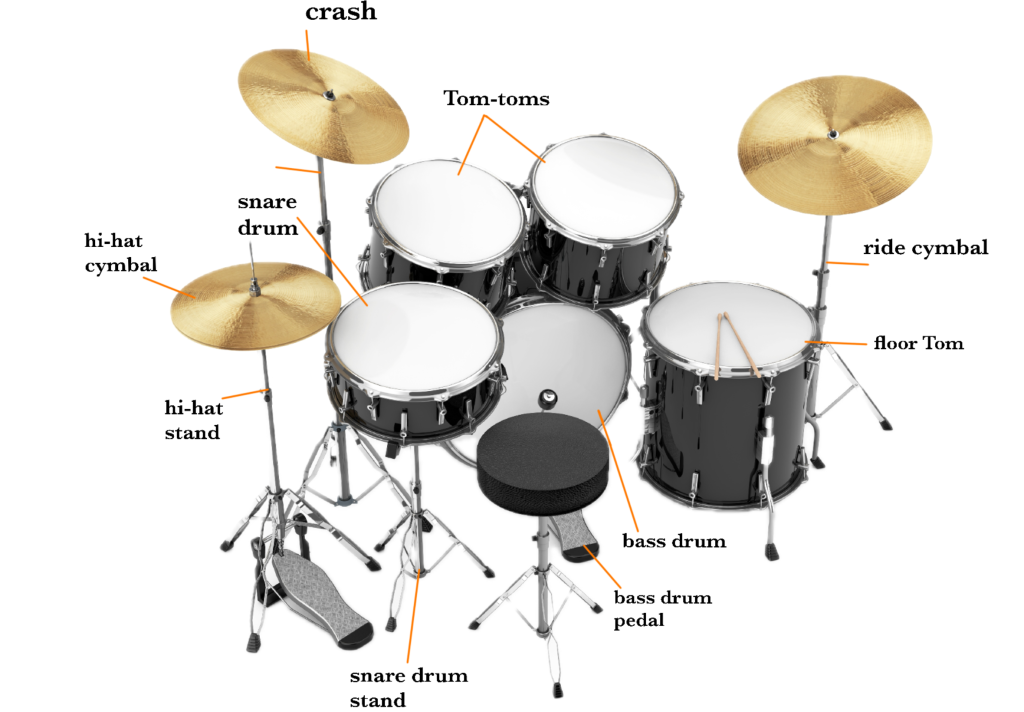
A good beginner kit should include just the essentials—enough to build a strong foundation without overwhelming the student.
A complete beginner drum kit should include:
- Drum Shells (snare drum, toms, and bass drum)
- Cymbals (hi-hat and crash or ride)
- Cymbal Stands
- Bass Drum Pedal
- Drum Throne (adjustable seat)
Used vs New
For most beginners, a new kit is the safer choice. You’ll get peace of mind, support, and everything you need to get started.
Buying New
- Pros:
- Includes warranties and support
- Guaranteed condition — no wear or damage
- Easier for first-time buyers (less guesswork)
Buying Used
- Pros:
- Lower cost
- Good value if the kit is in great shape
- Cons:
- Risk of hidden damage or missing parts
- Overwhelming for beginners without experience